

Let’s be honest. When you think of poker, you probably picture green felt, plastic chips, and a deck of cards destined for the trash. It’s not exactly an industry known for its environmental footprint—or lack thereof. But here’s the deal: every home game, every tournament, every casual night with friends generates waste. And as players who think several moves ahead, it’s time we applied that foresight to the planet.
Sustainable poker isn’t about sacrificing the fun. It’s about making smarter, more conscious choices that stack the deck in Mother Nature’s favor. Honestly, it’s easier than you might think. Let’s dive into some practical, eco-friendly shifts you can make, whether you’re a player or the host calling the shots.
Rethinking the Essentials: Chips, Cards, and Felt
This is where the most visible waste happens. Those cheap, lightweight chips that crack after a season? The paper cards that get sticky and bent? They’re a one-way ticket to a landfill. The sustainable move is to invest in quality that lasts.
Clay Composite & Metal Chips
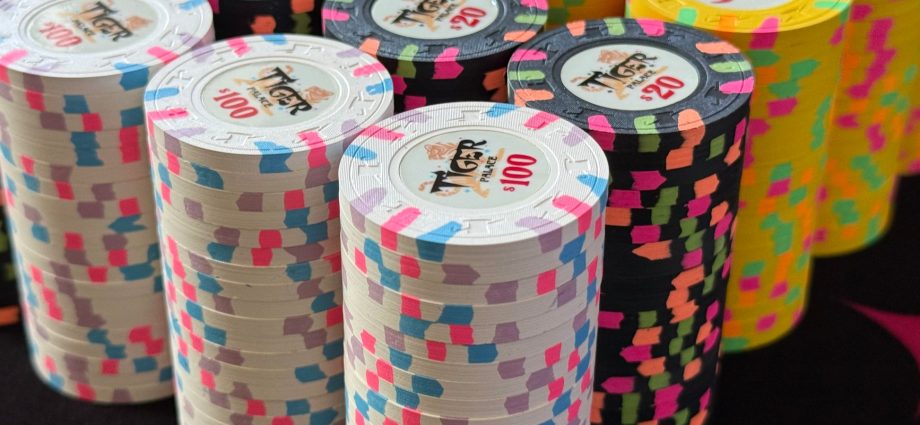
Instead of buying disposable plastic sets every few years, look for chips made from durable clay composite or even recycled materials. Sure, the upfront cost is higher, but think of it like a buy-in for a lifetime tournament. These chips have a satisfying weight, they last for decades, and they keep thousands of plastic units out of circulation. It’s a value bet with a huge long-term payoff.
Cards Built to Endure
Plastic playing cards are the clear winner here. A single deck of high-quality plastic cards—like those used in casinos—can outlive hundreds of paper decks. They wipe clean, don’t crease easily, and maintain their snap. For the eco-conscious player, some companies now offer cards made from recycled plastic or even plant-based cellulose. It’s a small switch with a massive reduction in waste.
The Table Itself
You don’t need a brand-new, vinyl-wrapped table. Get creative. Upcycle an old dining table with a sustainable felt alternative—look for fabrics made from recycled PET (those plastic bottles get a second life). Or, use a high-quality, washable table topper. The goal is to avoid the “fast furniture” cycle of buy, wear out, discard.
Hosting a Green Game Night: The Operational Side
Okay, so your gear is sustainable. Great start. But the real environmental impact of a home game often happens between the hands. The snacks, the drinks, the energy use… this is where you can truly clean up.
Ditch the Disposables
This might be the single biggest change you can make. Paper plates, plastic cups, and cheap cutlery are a disaster. Full stop. Switch to real plates and glasses. If your group is large or you’re worried about breakage, invest in a set of durable, reusable melamine plates and acrylic cups. They last for years. For napkins, use cloth. It adds a touch of class and eliminates so much paper waste.
Snack and Drink Smarter
Think bulk, not individually wrapped. Buy large bags of nuts or pretzels and serve them in bowls. Make your own dip instead of buying plastic tubs. For drinks, offer a signature cocktail or a draft keg instead of a fridge full of single-use cans and bottles—though if you do cans, have a recycling bin right there and clearly marked. And please, skip the plastic straws.
Mind the Atmosphere
Lighting sets the mood, but it also uses energy. Use LED bulbs. They use a fraction of the electricity and last forever. In fact, during the day, open the blinds and use natural light. And maybe turn the thermostat down a degree or two—a room full of people heats up quickly, you know?
The Digital-Physical Blend: A Hybrid Approach
Sometimes, the most sustainable choice is to not use a physical thing at all. I’m not saying replace your home game—the social connection is priceless. But for certain aspects, digital tools can seriously cut down on waste.
Use a phone or tablet to track the blinds structure instead of a printed paper. Try a tournament clock app instead of a dedicated, battery-eating device. For settling up, use peer-to-peer payment apps to avoid paper receipts and checks. It’s seamless.
And for those long-distance poker friends? Occasionally substituting an in-person game with a well-hosted online session saves the carbon footprint of travel. It’s a complementary strategy, not a replacement.
Beyond the Game: The Mindset of a Conscious Player
Sustainability, much like poker, is about playing the long game. It’s a mindset. It’s asking, “Can this be repaired? Can it be reused by someone else?”
When your trusted deck finally does wear out, don’t just toss it. Old cards can be used for crafts, as bookmarks, or donated to a school or senior center. Worn-out chips? Maybe they become garage sale tokens for the kids. Get creative.
And finally, talk about it. Share your choices with your poker crew. You might feel a little awkward at first, but most people appreciate the thought. You could even make it a point of pride—a “green bounty” for the night, or a small prize for the player who brings their own reusable cup. Lead by example.
In the end, it’s not about being perfect. It’s about making better choices, one hand at a time. The goal is to preserve the thrill of the game for generations to come—on a planet that’s still a great place to deal the cards. Because what’s the pot we’re really playing for, if not a sustainable future? The stakes, frankly, couldn’t be higher.