

You know that moment at the racetrack when you’re staring at the tote board? The numbers keep shifting, odds dropping and rising like a living thing. That’s parimutuel wagering. It’s not just math — it’s a mirror of human behavior. And honestly, it’s a little weird how predictable we all are.
Let’s break down the psychology behind it. Not the dry academic stuff — the real, messy, “why did I just bet on that horse?” kind of stuff.
What Even Is Parimutuel Wagering? (A Quick Refresher)
Here’s the deal: in parimutuel systems, all bets pool together. The house takes a cut — usually around 15-20% — and the rest goes to winners. Unlike fixed-odds betting, your payout depends on how many other people bet on the same outcome. The more money on a horse, the lower its odds. Simple, right?
But here’s where it gets psychological: you’re not just betting against the oddsmakers. You’re betting against everyone else in the pool. That changes everything.
The Crowd Isn’t Always Smart — But It Feels Smart
There’s this idea called the “wisdom of crowds.” In theory, large groups make better predictions than individuals. But in parimutuel betting? The crowd often overreacts. A horse wins one big race, and suddenly everyone piles on. Odds drop. Value disappears. That’s the favorite-longshot bias at work.
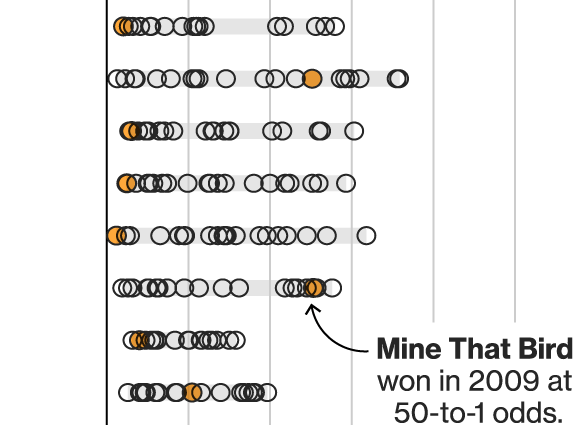
Studies show bettors tend to overbet longshots and underbet favorites. Why? Because a $2 bet on a 50-1 shot feels like a lottery ticket. The brain craves that tiny chance of a massive win — even if the math says it’s a terrible idea. It’s the same reason people buy Powerball tickets. Hope is a hell of a drug.
The Dopamine Loop: Why We Keep Chasing
Let’s talk about your brain on parimutuel wagering. Every time you place a bet, your brain releases a little dopamine — the “feel-good” chemical. But here’s the twist: the anticipation of winning releases more dopamine than actually winning. That’s why the minutes before a race feel electric. Your brain is already high on possibility.
And when you lose? Well, the near-miss effect kicks in. You almost picked the winner. Just one more race. That feeling keeps people in the game way longer than logic would allow.
Loss Aversion: The Silent Puppeteer
Loss aversion is a classic behavioral economics concept. Losing $100 hurts about twice as much as winning $100 feels good. In parimutuel systems, this creates a weird dynamic. Bettors will chase losses by betting on longer shots — trying to “get even” fast. But that’s exactly when the house edge bites hardest.
I’ve seen it happen. A friend loses three races in a row, then dumps his whole bankroll on a 20-1 horse. He’s not thinking about probability anymore. He’s thinking about revenge against the universe. The universe doesn’t care, by the way.
Social Proof and the Herd Mentality
Ever noticed how the tote board updates in real time? That’s not just information — it’s social pressure. When you see a horse’s odds dropping fast, you feel like you’re missing out. Other people know something, right? Maybe they do. But often, it’s just a cascade effect. One big bet triggers others. The herd moves.
This is especially powerful in live betting environments. The roar of the crowd when a favorite wins? That’s contagious. You want to be part of that. So you bet on the favorite next time — even if the value is gone.
Here’s a quick breakdown of common psychological biases in parimutuel betting:
| Bias | What It Looks Like | Why It Hurts |
|---|---|---|
| Favorite-Longshot Bias | Overbetting longshots, underbetting favorites | Reduces expected value over time |
| Confirmation Bias | Only remembering wins, forgetting losses | Inflates confidence in bad strategies |
| Recency Bias | Betting based on last race’s winner | Ignores long-term trends |
| Anchoring | Sticking to first odds you saw | Misses better value later |
The Illusion of Control in a Chaotic System
Parimutuel wagering feels skill-based. You study form guides, track conditions, jockey stats. You develop a system. But here’s the uncomfortable truth: a lot of it is luck. The difference between a winner and a loser can be a stumble at the starting gate or a sudden gust of wind.
Our brains hate randomness. So we invent patterns. We see a horse’s name and think, “That’s lucky.” We notice a jockey’s silks are the same color as our shirt. It’s ridiculous — but we all do it. That’s the gambler’s fallacy in action. The belief that past events influence future outcomes in independent events.
Sure, some bettors are genuinely skilled. They spot inefficiencies in the pool. They know when the crowd is overreacting. But even they admit: the margin between profit and loss is razor-thin.
How the Pros Think Differently
Professional parimutuel bettors — yes, they exist — operate like poker players. They focus on expected value, not winning every race. They bet against the crowd’s biases. When everyone piles on a favorite, they look for value in the second or third choice. When the crowd ignores a longshot with solid stats, they pounce.
One pro told me: “I don’t need to be right often. I just need to be right when the odds are in my favor.” That’s the psychological shift most amateurs never make. They chase wins. Pros chase edges.
The Emotional Rollercoaster of Live Odds
There’s something almost hypnotic about watching odds change in real time. The numbers flicker. Your heart rate syncs up. You feel like you’re part of a living organism — the betting pool itself. That’s part of the appeal, honestly. It’s not just about money. It’s about the rush of being in the game.
But that emotional engagement is dangerous. When you’re emotionally invested, you make worse decisions. You hold onto losing bets too long. You double down on bad picks. You start believing you can “feel” a winner coming.
And sure, sometimes you’re right. That’s what makes it so addictive. Intermittent reinforcement — random rewards — is the most powerful psychological conditioning tool known. Slot machines use it. Parimutuel betting does too, just with more math.
So, What’s the Takeaway?
Understanding the psychology of parimutuel wagering won’t make you a winner overnight. But it might save you from some stupid mistakes. Recognize the favorite-longshot bias. Watch for loss aversion. Question the herd. And for the love of everything, don’t chase losses with a 50-1 shot at 3:00 AM.
The system is designed to take your money — slowly, steadily, with a smile. But if you understand the psychological traps, you can at least make smarter choices. Not perfect choices. Just… less stupid ones.
And maybe — just maybe — you’ll spot a moment when the crowd is wrong. That’s where the real value lives. Not in the odds, but in the gap between perception and reality.
That’s the psychology of it, really. It’s a game of mirrors. And the smartest players aren’t the ones who predict the future. They’re the ones who understand themselves.
That said… good luck out there. You’ll need it.