
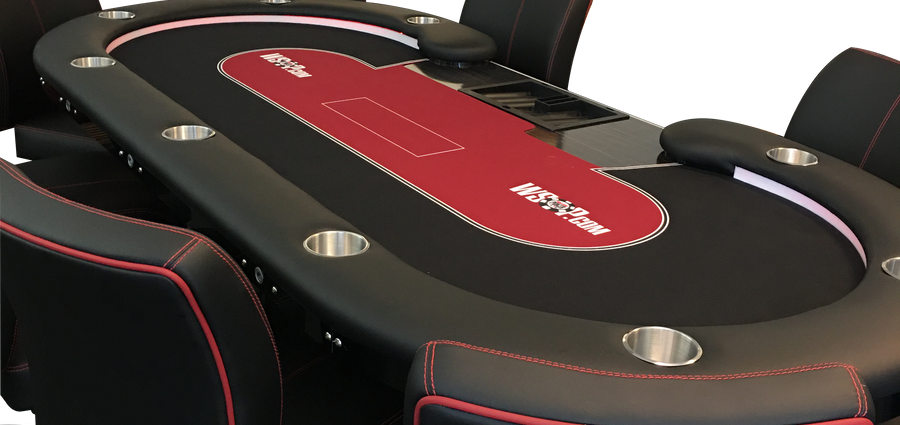

Poker used to be a quiet game. You know, the smoky rooms, the clink of chips, the subtle tells—a raised eyebrow, a shaky hand. But then live streaming crashed the party. Suddenly, millions of eyes are watching your every move. And honestly? It’s changed everything. The etiquette that once ruled the felt is now… well, it’s evolving. Let’s dive into how the camera changed the code.
The Old Rules: A Quick Reminder
Before Twitch and YouTube, poker etiquette was pretty straightforward. You didn’t splash the pot. You protected your hand. You acted in turn. And you never, ever discussed a hand while it was still in play. These were the unspoken laws. They kept the game fair, respectful, and—let’s be real—a little mysterious.
But streaming? It’s like turning on a floodlight in a dimly lit library. The old whispers are now broadcast live. And that changes the dynamic, big time.
Why the Camera Changes Everything
Here’s the deal: when you’re streaming, you’re not just playing against the nine people at the table. You’re playing for an audience. That audience has opinions. They chat. They meme. They analyze your fold like it’s a chess match. And that pressure? It seeps into the game.
Players start to perform. They might slow-roll for the laughs. They might over-explain a bluff. Or—worse—they might look at the chat for advice. That’s where etiquette gets… fuzzy.
New Norms: What’s Acceptable Now?
So, what’s the new code of conduct? It’s not written down anywhere, but you can see it forming in real-time. Here are a few shifts I’ve noticed—some good, some… questionable.
- Chat interaction is a double-edged sword. Some streamers engage with their audience mid-hand. It’s fun, sure. But it can also slow the game down. The new etiquette says: keep it brief. A quick emote or a nod is fine. A full conversation? That’s a bit rude to the other players.
- Slow-rolling is now a performance art. Honestly, slow-rolling used to be the ultimate sin. Now? Some streamers do it for the reaction. But here’s the thing—most pros still hate it. The etiquette hasn’t fully shifted. It’s still a dick move unless everyone at the table is in on the joke.
- Angle shooting has gone digital. You know, those little tricks—like pretending to fold, then calling? With cameras everywhere, angle shooting is easier to spot. But it’s also more tempting for clout. The new rule? Don’t be that guy. The internet never forgets.
The “Streamer’s Dilemma”: Entertainment vs. Integrity
This is the big one. Streamers are entertainers first, players second. That creates a tension. Do you make the boring, correct fold? Or do you call down for the spectacle? I’ve seen players tank for five minutes just to build suspense. That’s not strategy—that’s showmanship. And it can grind the game to a halt.
But here’s a thought: maybe the etiquette is just… adapting. In a live-streamed game, a little showmanship is expected. The key is reading the room—or the chat. If everyone’s laughing, you’re fine. If they’re groaning, you’ve crossed a line.
Table Talk: The New Verbal Minefield
Table talk has always been part of poker. But streaming amplifies it. Every joke, every whisper, every offhand comment is now archived. Forever. That changes how players communicate.
I’ve noticed a trend: streamers often talk about their own hands openly. Like, “I know I’m beat here, but I’m calling anyway.” That used to be a huge no-no—giving away info. But now? It’s almost part of the meta. Some players use it to tilt opponents. Others do it to build a narrative. The new etiquette says: if you’re streaming, you own the table talk. But don’t be a jerk about it. No personal attacks, no berating bad beats. Keep it classy.
| Old Etiquette | New Etiquette (Streaming Era) |
|---|---|
| Never discuss active hands | Discussing hands is okay, if it’s for entertainment |
| Silence during big decisions | Chatter is expected, but keep it respectful |
| No looking at phones | Streamers can glance at chat—but don’t stall |
| Slow-rolling is taboo | Slow-rolling is risky; only do it for laughs |
| Protect your hand at all costs | Cameras protect the hand—but still be careful |
That table above? It’s not set in stone. But it gives you a sense of the drift. The game is becoming more social, more performative. And that’s not necessarily bad. It’s just… different.
The “Solver” Problem: Etiquette Meets Technology
Here’s a pain point: solvers and real-time analysis tools. In a live-streamed game, some players might try to use software on a second screen. That’s cheating, plain and simple. But the etiquette around it is still murky. Most rooms ban it, but the temptation is there.
Honestly, the new rule should be: if you’re streaming, you’re under a microscope. Don’t be stupid. The community is watching. And they will call you out. In fact, there’s been a rise in “stream snipers”—viewers who watch the stream to gain info on opponents. That’s a whole other can of worms. The etiquette? Don’t do it. It’s scummy. And if you’re a streamer, use a delay. It’s that simple.
What About Hand Histories and “Sweating”?
Another shift: it’s now common for streamers to review hands with their chat in real-time. This used to be a major breach—like, you’d get kicked out of a home game for it. But in the streaming world, it’s part of the learning experience. The etiquette here is subtle: if you’re reviewing, do it after the hand is over. And don’t give away live info. It’s a balance between teaching and cheating.
The Future of Poker Etiquette
So where are we heading? I think the etiquette will keep splitting. There will be “streamer tables” where the rules are looser—more banter, more theatrics. And there will be “serious tables” where the old code still holds. The trick is knowing which table you’re at.
One thing’s for sure: the cat is out of the bag. Live streaming isn’t going anywhere. It’s made poker more accessible, more exciting, and—dare I say—more human. We see the faces behind the cards. We hear the laughs, the sighs, the occasional curse word. That intimacy changes the game.
But it also demands a new kind of respect. Respect for the audience. Respect for your opponents. And respect for the game itself. Because at the end of the day, poker is still about people. The chips are just props.
The felt is now a stage. The cards are your script. And the etiquette? It’s the unwritten director’s notes. Play your part well, and everyone wins—even if you lose the hand.