

You tap the icon. The app loads in seconds — bright colors, spinning reels, a promise of instant wins. It feels like a game. But honestly? It’s a data mining operation wrapped in a casino. Mobile gambling apps collect a staggering amount of personal information. And most of us just click “Accept” without a second thought. Let’s pull back the curtain.
The silent harvest: What data do these apps collect?
Here’s the thing — it’s not just your name and email. These apps are thirsty. They want your location, your device ID, your browsing history, even your contacts. Some track how long you stare at a slot machine animation. Others log your keystrokes. Creepy, right?
Let’s break it down into what’s actually being vacuumed up:
- Personal identifiers: Full name, address, date of birth, government ID (for KYC checks).
- Financial data: Credit card numbers, bank account details, transaction histories — sometimes stored insecurely.
- Behavioral data: Time spent playing, betting patterns, losses, wins, even tilt moments.
- Device fingerprints: IMEI numbers, IP addresses, operating system versions, installed apps.
- Location data: Real-time GPS coordinates, often shared with third-party ad networks.
And that’s just the tip of the iceberg. Some apps use microphone access or camera permissions — supposedly for “customer support.” Yeah, right.
Third-party sharing: Your data’s wild ride
You know that feeling when you search for a new phone, and suddenly every ad is about phones? Now imagine that with gambling. Mobile gambling apps often share your data with dozens of third parties — analytics firms, advertisers, data brokers. Sometimes even without clear consent.
In fact, a 2023 study by the University of Bristol found that many gambling apps send data to Facebook, Google, and other trackers the moment you open them. Before you even sign up. That’s like walking into a casino and having your pockets emptied at the door.
The “free” game illusion
Here’s a dirty secret: many so-called “free” gambling apps — the ones with no real-money betting — are actually data farms. They lure you in with virtual chips and flashy graphics. Meanwhile, they’re building a profile of your risk tolerance, impulsivity, and spending triggers. That profile gets sold to real-money gambling operators. It’s a pipeline. And you’re the product.
Security holes: Where your data leaks
Let’s talk about the scary part — breaches. Gambling apps are prime targets for hackers. Why? Because they hold financial data and personal info in one juicy package. And not all developers prioritize security. Some use outdated encryption, weak APIs, or store passwords in plain text.
Remember the 2022 DraftKings breach? Hackers accessed accounts using credential stuffing — old passwords from other breaches. Thousands of users lost money. And that’s a big name. Smaller apps? They’re often worse.
| Risk Factor | How It Happens | Example |
|---|---|---|
| Weak encryption | Data sent in plain text over HTTP | Login credentials intercepted on public Wi-Fi |
| Third-party SDKs | Code from ad networks with vulnerabilities | Malicious SDK collects keystrokes |
| Poor session management | Tokens stored insecurely | Account takeover via stolen session cookie |
| No multi-factor auth | Only password protection | Credential stuffing attack succeeds |
And let’s not forget — many apps don’t even tell you about breaches until months later. By then, your data’s already circulating on dark web forums.
Legal loopholes: The fine print you didn’t read
I’ll be honest — I’ve never read a full privacy policy. Have you? They’re long, dense, and deliberately vague. Gambling apps love using phrases like “we may share your data with trusted partners.” Translation: we’ll sell it to anyone who pays.
And here’s the kicker — many apps are based in jurisdictions with weak data protection laws. Curacao, Malta, Gibraltar… Sure, they have regulators. But enforcement? Spotty at best. If your data gets misused, good luck suing a company in a foreign country.
GDPR vs. the rest of the world
If you’re in the EU, you have some rights under GDPR — data access, deletion, portability. But outside Europe? It’s the Wild West. In the US, for example, there’s no federal privacy law. Only a few states (California, Virginia, Colorado) have protections. So if a gambling app based in Delaware leaks your data? You’re basically on your own.
Psychological profiling: The creepiest risk
This one keeps me up at night. Gambling apps don’t just collect data — they analyze it. They know when you’re desperate. When you’re chasing losses. When you’re drunk or tired. And they use that to push notifications, bonuses, and “free spins” at exactly the right moment.
It’s like a casino dealer who can read your mind. Except it’s an algorithm. And it’s designed to keep you hooked. The data privacy risk here isn’t just about identity theft — it’s about manipulation. Your own psychology weaponized against you.
Some apps even use machine learning to predict when you’re about to quit. Then — boom — a “lucky” jackpot animation pops up. Coincidence? I don’t think so.
What can you actually do? (Practical steps)
Alright, enough doom and gloom. Let’s talk solutions. You don’t have to be a cybersecurity expert to protect yourself. Here’s a short checklist:
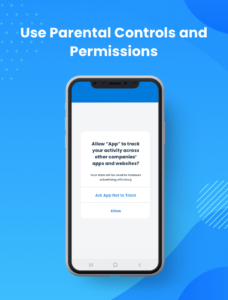
- Check permissions. Does a poker app really need access to your camera? No. Revoke anything suspicious in your phone settings.
- Use a VPN. Especially on public Wi-Fi. It encrypts your traffic and hides your IP.
- Enable two-factor authentication. If the app supports it, use it. If it doesn’t, that’s a red flag.
- Read the privacy policy. I know, it’s boring. But skim for phrases like “third-party sharing” or “data retention.”
- Limit location sharing. Set it to “While Using” or “Never.” No app needs your precise GPS 24/7.
- Use a dedicated payment method. Prepaid cards or e-wallets like PayPal add a layer between your bank and the app.
- Delete unused apps. That free slot game you downloaded last year? It’s still collecting data in the background.
And honestly? Consider using a separate “gambling phone” — an old device with no personal data. Sounds extreme? Maybe. But it’s what I do.
The bigger picture: An industry in denial
Here’s the uncomfortable truth: the gambling industry has little incentive to protect your privacy. Data is their second currency — right after your money. They’ll collect it, sell it, and lose it, all while smiling at you from a neon-lit ad.
Regulators are starting to catch up. The UK Gambling Commission now requires operators to conduct data protection impact assessments. But globally? It’s a patchwork. And enforcement is slow.
So until laws tighten, the responsibility falls on you. Every tap, every spin, every “Accept All” button — it’s a trade. You’re trading your data for a dopamine hit. The question is: are you okay with that?
Because once your data is out there — in the hands of brokers, hackers, or manipulative algorithms — there’s no getting it back. No undo button. No second chance.
That’s the real gamble.