
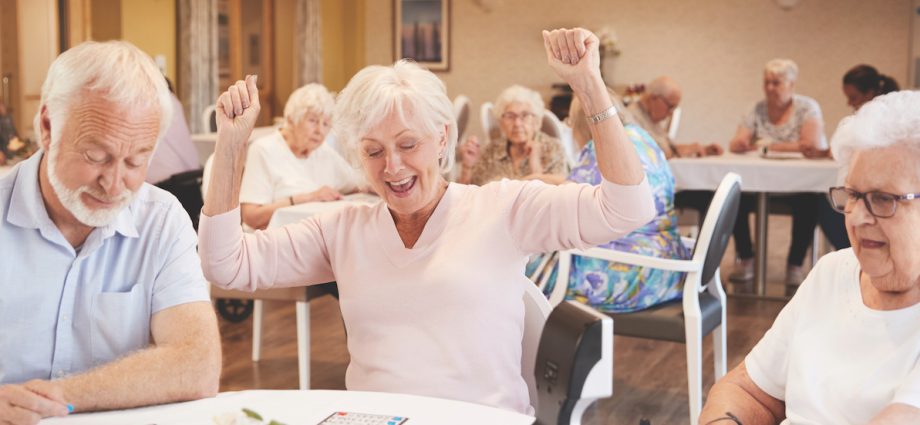

For decades, bingo has been the soundtrack of senior centers—the clatter of daubers, the murmur of concentration, the triumphant shout of “Bingo!” echoing off linoleum floors. It was, well, just a game. A social pastime. A bit of fun.
But here’s the deal: researchers and memory care professionals are now looking at that familiar bingo card in a whole new light. It turns out, this classic game is quietly emerging as a powerful, accessible, and genuinely enjoyable tool for supporting cognitive health in older adults. It’s not just about winning a potted plant or a candy bar anymore.
More Than Luck: The Cognitive Workout Behind the Game
Let’s dive in. What makes bingo so uniquely beneficial for the aging brain? Honestly, it’s a deceptively complex mental exercise disguised as simple chance.
Think of it like a low-impact, full-brain gym session. Each round requires players to engage multiple cognitive domains simultaneously. They have to listen actively to the caller’s letter-number combination (auditory processing), quickly scan their card (visual scanning), locate the correct square (pattern recognition), and mark it (fine motor skills). All of this happens under a gentle time pressure that keeps the mind alert but not stressed.
Key Cognitive Skills Bingo Targets
- Attention & Concentration: Following the caller for an extended period is a marathon of focused attention. It’s practice in tuning out distractions.
- Information Processing Speed: That quick “find-and-dab” action? It helps maintain mental quickness.
- Short-Term Memory: “Did I already mark B-12?” Players constantly update their mental checklist.
- Visual Acuity: Scanning rows, columns, and diagonals is a workout for the eyes and the visual processing centers.
And that’s just the solo brain work. The real magic, you know, happens in the space between the calls.
The Social Glue: Combating Loneliness, Sparking Joy
Isolation is, frankly, a silent epidemic among seniors. It’s a major risk factor for cognitive decline. Bingo acts as a powerful antidote. It’s a scheduled, low-pressure reason to leave the house, to see familiar faces, to share a laugh over a near-miss.
This social engagement isn’t just “nice to have.” It’s neurologically vital. Conversation, shared excitement, even friendly rivalry—they stimulate emotional centers and keep the brain socially engaged. It’s cognitive health wrapped in community. The game provides a structured activity that makes socializing feel natural, not forced.
Bingo in Memory Care: Adaptation is Key
Now, for individuals with more pronounced memory challenges, like dementia or Alzheimer’s, traditional bingo might be too fast or confusing. But memory care innovators are brilliantly adapting the game. They’re simplifying it, and in doing so, unlocking its therapeutic potential.
Some adaptations include:
- Using cards with larger print and fewer squares.
- Calling out familiar items instead of letters/numbers—like “a red fruit” (apple) or “something you use to tell time” (clock). This taps into semantic memory.
- Playing “picture bingo” with images of animals, household objects, or famous faces from their era.
- Slowing the pace dramatically and offering gentle, one-on-one assistance.
The goal here shifts from competition to participation. A successful game is one that elicits a moment of recognition, a spark of connection, a sense of accomplishment. That’s a win far beyond a straight line on a card.
Why It Works: The Psychology of Play
Sure, there are plenty of brain training apps out there. But bingo offers something they often lack: pure, unadulterated play. It’s a game first. The cognitive benefits are a happy side effect.
This element of play reduces resistance. It feels like leisure, not therapy. The anticipation of winning, the tactile satisfaction of the dauber’s *thump*, the collective groan and laughter—these sensory and emotional details create a positive, reinforcing loop. People want to do it. Consistency, as we know, is everything for long-term brain health.
| Aspect of Bingo | Cognitive & Social Benefit |
| Listening & Matching | Sharpens auditory processing and visual recognition. |
| Multiple Card Play | Increases cognitive load and attention division (in a good way). |
| Social Hall Setting | Fights isolation, encourages routine, builds community. |
| Familiar Rules & Rituals | Provides comfort, reduces anxiety, and leverages procedural memory. |
And let’s not forget the confidence boost. Successfully completing a game, maybe even winning, provides a tangible sense of mastery. For someone struggling with memory loss, that feeling is priceless.
Looking Ahead: Bingo’s Modern Renaissance
The rise of bingo in cognitive care isn’t about going backward. It’s about recognizing the timeless value in a simple social structure. We’re seeing it evolve—online bingo communities for homebound seniors, “brain health bingo” nights at libraries, and more integrated programs in assisted living facilities.
It’s a reminder that sometimes the best tools aren’t the most high-tech. They’re the ones that already have a history of bringing people joy. The humble bingo card, it seems, has been a cognitive health tool all along. We just needed to pay closer attention to the numbers being called.
So the next time you hear that familiar call, listen a little closer. You’re not just hearing a game. You’re hearing the sound of minds staying engaged, connections being forged, and a simple, joyful defense against the quiet. And that’s a full-house win for everyone.