
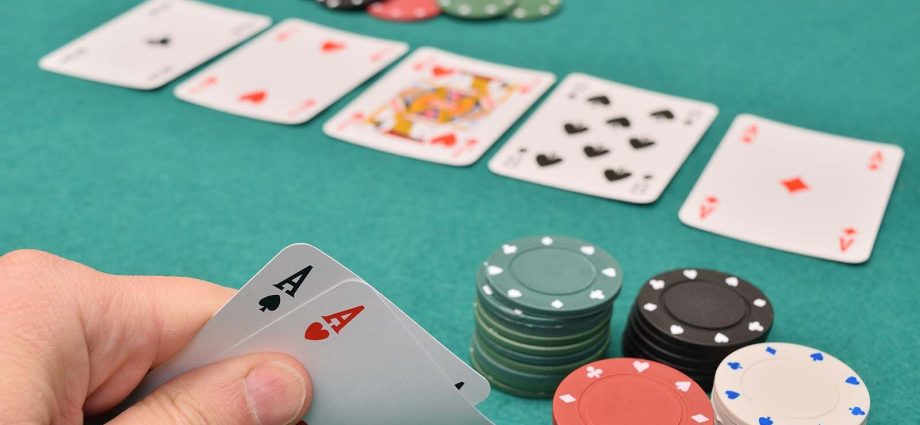

Let’s be honest. The image of a high-stakes poker game doesn’t scream “corporate training seminar.” But here’s the deal: the modern business landscape is less like a predictable chess match and more like a high-variance poker table. You have incomplete information. You face aggressive competitors. And you must manage risk with a calm, strategic mind. That’s where poker comes in—not as a vice, but as a surprisingly sharp tool for honing the exact skills today’s leaders need.
The Shared Table: Where Poker Meets the Boardroom
Think about it. In business, you rarely have the full picture. Market data is imperfect. A competitor’s next move is hidden. A potential hire’s true drive is, well, a mystery. Poker, at its core, is a game of decision-making under uncertainty. Every hand forces you to act with limited, imperfect information. Sound familiar? It’s a direct parallel to the executive’s daily reality.
Beyond Bluffing: The Real Skills on the Felt
Sure, people talk about bluffing. But honestly, that’s the flashy, overrated part. The real gold is in the less glamorous, deeply analytical skills the game drills into you.
- Probabilistic Thinking: Poker shatters the myth of certainty. You learn to think in ranges and percentages—not “will they?” but “how likely are they to?” This is critical for business risk assessment. Launching a product, entering a new market, making a key hire—these are all probabilistic bets.
- Emotional Regulation (Tilt Control): In poker, “tilt” is the emotional frustration that leads to terrible decisions after a bad beat. In business? It’s the panic after a lost client or a failed project that sparks a reckless pivot. Poker teaches you to recognize that emotional surge and separate it from the logical decision at hand. It’s pure executive function training.
- Reading Situational Dynamics: This isn’t about spotting a nervous twitch. It’s about synthesizing patterns of behavior. Is an opponent suddenly betting aggressively? Is a market competitor flooding the zone with new ads? Poker sharpens your ability to decode actions and infer strategy, a key component of strategic decision-making in leadership.
- Bankroll Management: This is pure, unsexy capital allocation. You never risk your entire stack on one hand, no matter how “sure” you are. In business, it’s about not betting the company on a single, shiny opportunity. It’s portfolio theory in action, learned through the visceral feel of losing chips.
Playing the Hand You’re Dealt: A Business Analogy
You’re dealt a hand. In business, that’s your starting resources—your team, your capital, your market position. A great player doesn’t win every hand. They win by playing their specific hand, in their specific situation, better than anyone else. A pair of twos can win if played brilliantly from a position of strength. A great hand can lose if misplayed. It’s a powerful metaphor for resource management and strategic positioning, you know?
The best executives, like the best poker players, focus on process over outcome. A well-reasoned decision can still lose to a lucky card. A bad decision can still win. The trap is judging the quality of your decision by the single result. Poker brutally teaches you to decouple the two—to trust a sound process even when short-term results are painful. That’s resilience.
The Data Doesn’t Lie: Expected Value in Everything
Every move in poker has an Expected Value (EV)—a mathematical measure of its average long-term outcome. The concept is everything. You make the +EV move, every time, even when it feels scary. In business, we often chase ego projects or avoid hard choices because the EV isn’t part of the conversation. Poker makes it the only conversation.
| Poker Concept | Business Application |
| Pot Odds | Calculating the return on investment (ROI) needed to justify a new project spend. |
| Position | The advantage of acting later with more information (e.g., being a fast follower vs. a first mover). |
| Table Image | Managing your professional and company brand reputation in negotiations. |
| Fold Equity | The value gained from getting a competitor to abandon a market segment without a fight. |
Implementing the Poker Mindset (Without the Cards)
So, how do you bring this to your team? You don’t need to host a poker night—though, honestly, it couldn’t hurt. You start by integrating the principles.
- Frame Decisions as Bets: Stop asking “Is this a good idea?” Start asking: “What are we betting? (Resources, time, reputation) What do we believe will happen? And what are the odds we’re right?” This simple reframe injects probabilistic thinking into every meeting.
- Conduct “Post-Mortems” Without Blame: After a project ends—win or lose—analyze the decision process. Not the outcome. “Did we have the best information available? Did emotions drive any calls? Was our estimated probability accurate?” This builds a culture of continuous improvement in decision-making skills.
- Embrace “Productive Folding”: Normalize quitting. In poker, folding is a powerful, proactive move that preserves capital for better opportunities. In business, we glorify persistence to a fault. Sometimes the most strategic decision is to stop—to fold a failing project and reallocate resources. That’s not failure; it’s sophisticated capital management.
The Final Card on the Table
Look. The world is noisy. Complex. Downright uncertain. Traditional, linear models of leadership are cracking under the pressure. What poker offers is a dynamic, gritty training ground for the mind. It forces you to get comfortable with ambiguity. To weigh odds instinctively. To manage your emotional capital as carefully as your financial capital.
It’s not about becoming a gambler. It’s about becoming a calibrated decision-maker. The table is just a simulator—a fast, feedback-rich environment where the cost of a mistake is a few chips, not a quarterly loss. The real win is carrying that sharpened, probabilistic, resilient mindset back to your desk. Where every decision, in fact, is a bet on the future you’re trying to create.